



Author Archive


 Sometimes affordable, simple, great sounding stompboxes give us exactly what we need today, but their one-trick-ponyness fails to keep us entertained for very long.
That's why exploring a distortion pedal priced just short of $500 like the hand built Celestial Effects' Cancer Wah The Fuzz can actually make sense. Another plus is that a pedal like this gives you a very wide palette of tones produced by effectd that are designed to work with each other at the source, therefore sparing you from spending time researching pedals from different manufacturers that integrate well with each other.... Click on the title for more
Sometimes affordable, simple, great sounding stompboxes give us exactly what we need today, but their one-trick-ponyness fails to keep us entertained for very long.
That's why exploring a distortion pedal priced just short of $500 like the hand built Celestial Effects' Cancer Wah The Fuzz can actually make sense. Another plus is that a pedal like this gives you a very wide palette of tones produced by effectd that are designed to work with each other at the source, therefore sparing you from spending time researching pedals from different manufacturers that integrate well with each other.... Click on the title for more
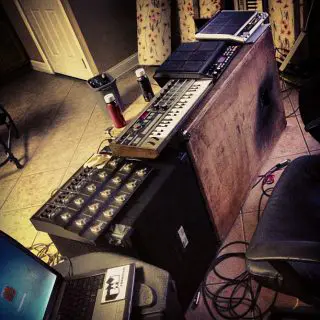
 New Jersey rockers Brick + Mortar are a refreshingly new sounding indie band bent on visual elements and electronic samples, which combined with their abrasive vocals, makes them stand out from the rest. We asked the duo, made up of Brandon Asraf and John Tacon, some questions about their sound, which is certainly not a dull one. Here’s what we learned!... Click on the title for more
 New Jersey rockers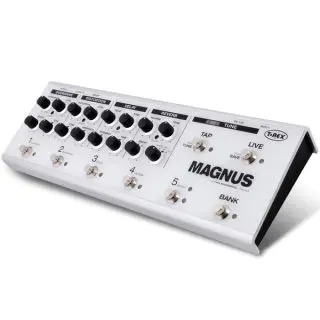
 Danish effect manufacturer T-Rex Effects, in partnership with Guitar Center, announced today the new co-developed Magnus boutique tone controller, which will be available exclusively through the mighty musical instrument retailer and its online subsidiary Musicians Friend.... Click on the title for more
 We became acquainted with Ohio based manufacturer Amptweaker - run by ex Peavey amp engineer James Brown - at our Brooklyn Stompbox Exhibit last year, when we had the pleasure of displaying two of their pedals. Being mainly an amp designer, James makes stompboxes from a different vintage point than most manufacturers: specializing in distortions, Amptweaker's pedals are created to fit the needs of different musicians, thanks to a constantly open communication between James and his clients - he is always interested in suggestions for future pedals, which anybody can submit here. Amptweaker also tends to add unique signature features to those ideas, therefore improving them in the versatility and range department.... Click on the title for more


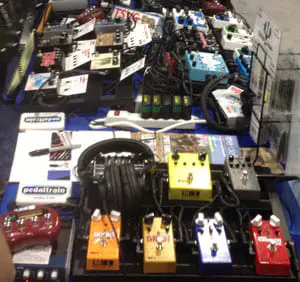

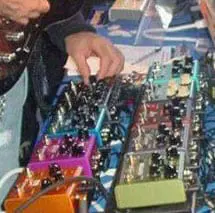

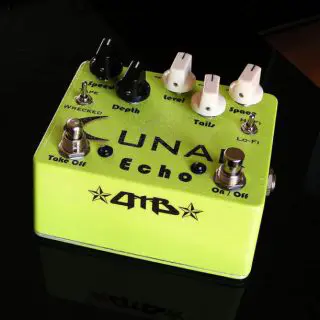
 Founded in 2007 by Mike Blakemore and Daniel Minton and with an operational base split between Oklahoma City and Nashville, DMB Pedals is what we call an 'emerging-but-already-quite-established' stompbox manufacturer.
DMB's mission is to offer original and inspiring hand made pedals (no clones), and will be showcasing all their ten creations at Summer NAMM later this week through our Stompbox Exhibit.... Click on the title for more
Founded in 2007 by Mike Blakemore and Daniel Minton and with an operational base split between Oklahoma City and Nashville, DMB Pedals is what we call an 'emerging-but-already-quite-established' stompbox manufacturer.
DMB's mission is to offer original and inspiring hand made pedals (no clones), and will be showcasing all their ten creations at Summer NAMM later this week through our Stompbox Exhibit.... Click on the title for more